
Section
Animals
California wildlife stories: mountain lions, condors, dolphins, sea otters, elephant seals, migratory birds, and the extraordinary diversity of animal life across the Golden State.
-
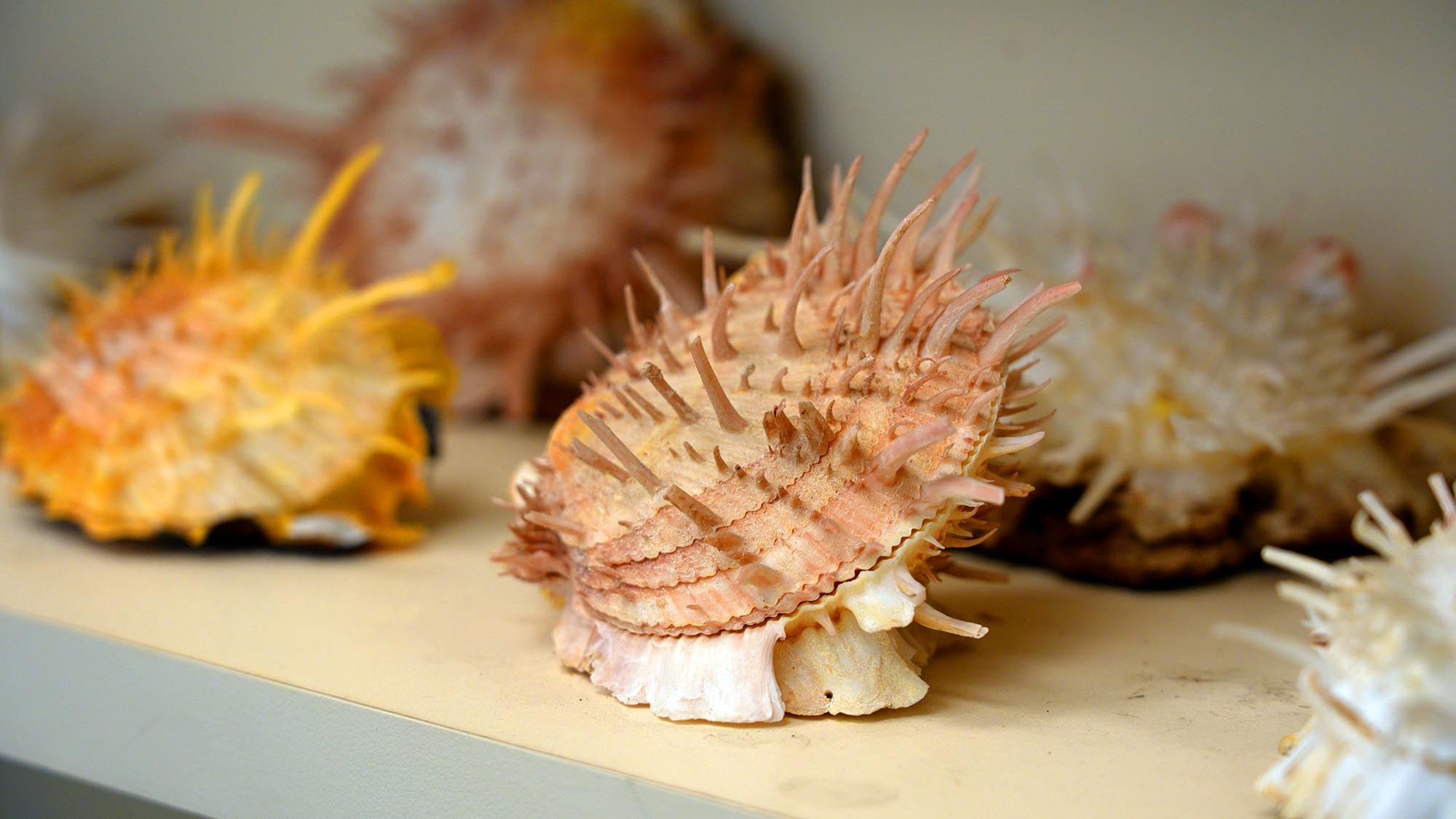
Inside a Collection of 117,000 Shells and the World’s Deadliest Snail
Hidden at Occidental College, the Cosman Collection holds nearly 117,000 shells, possible undiscovered species, preserved DNA, and some of nature’s deadliest venom.
-
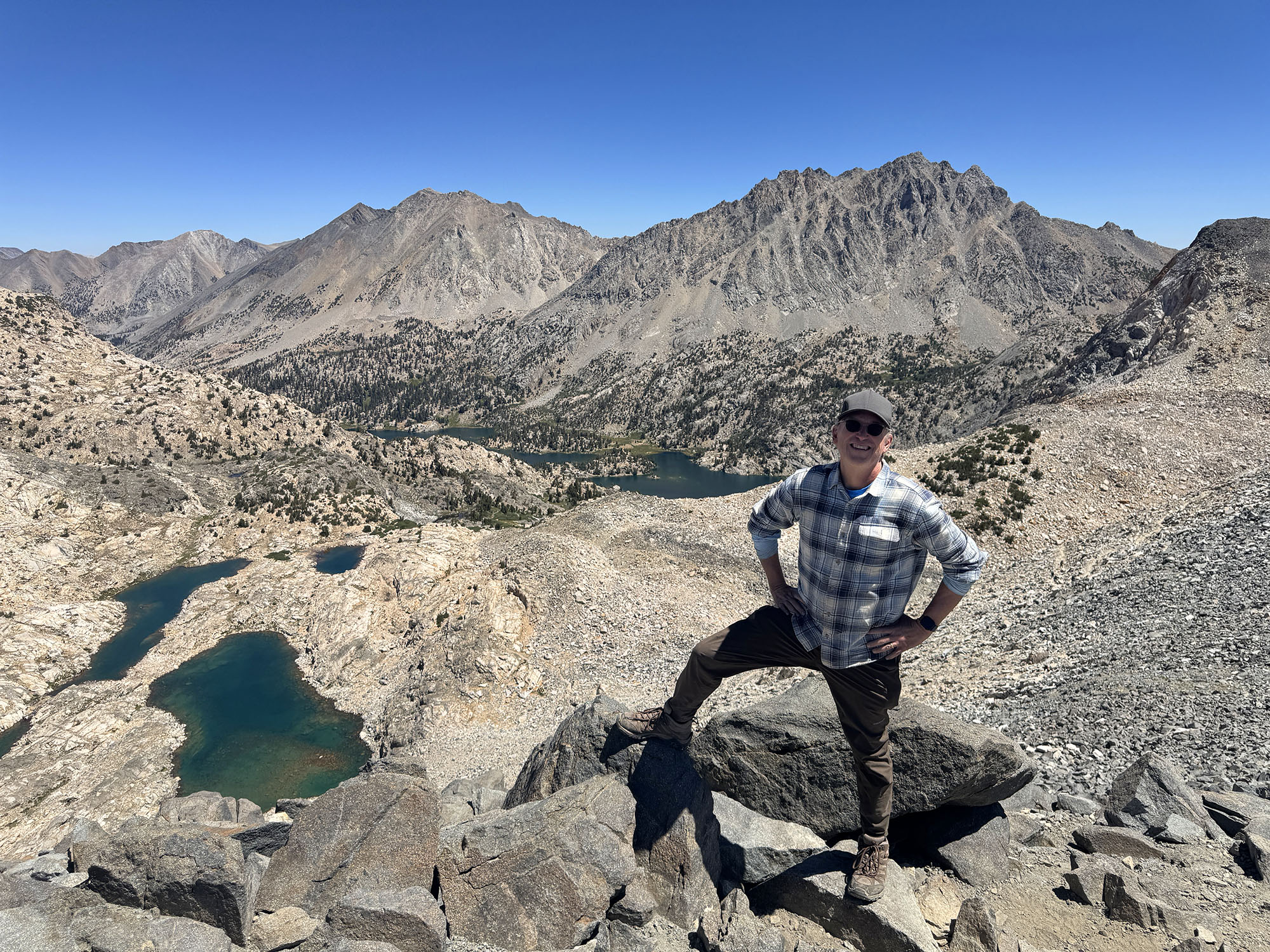
Pain, Strain and Gain on the Rae Lakes Loop
Five days, 45 miles, 7,000 feet of climbing elevation, and a welcome escape from the noise of everyday life.
-
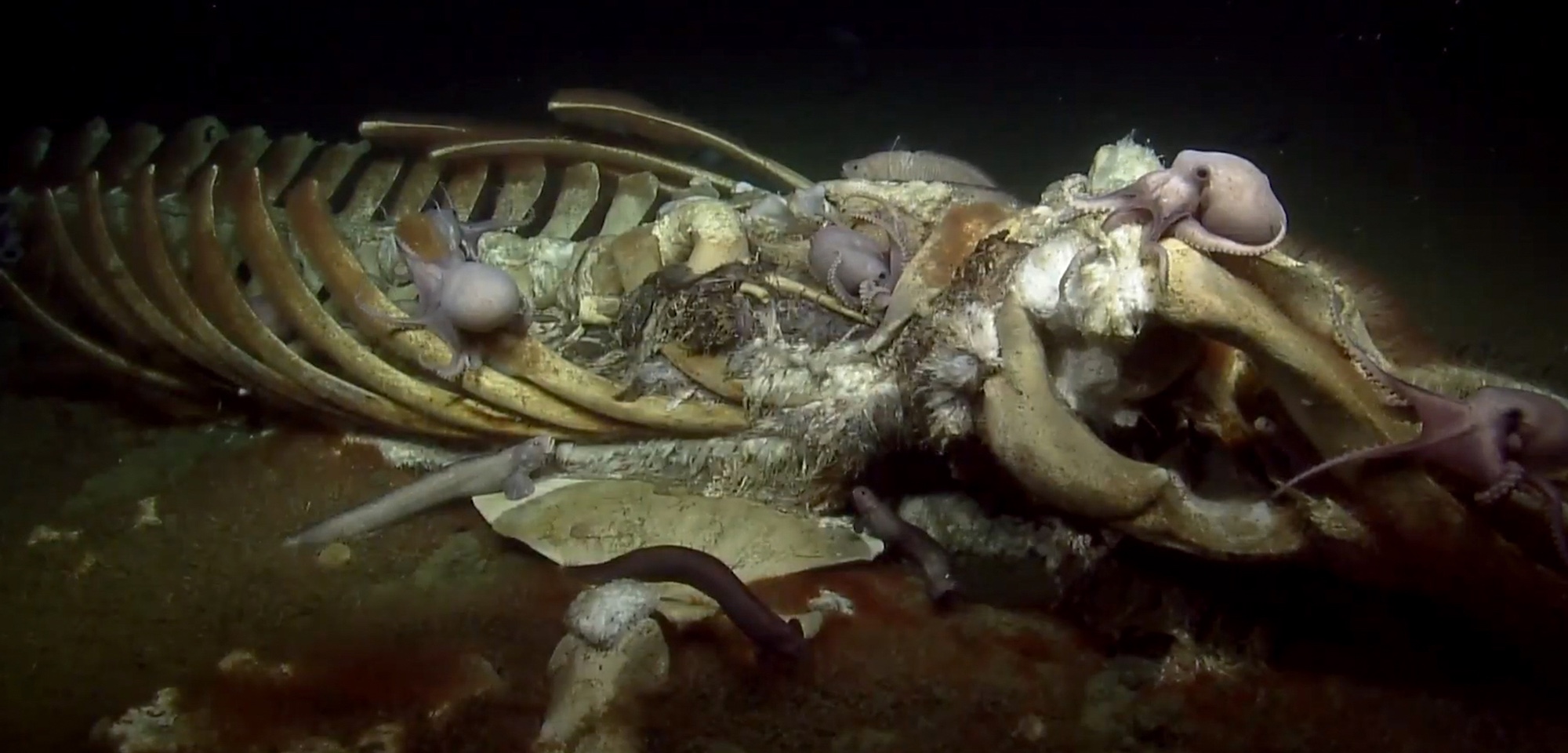
California Has a Huge Whale Graveyard off the Coast. And That’s Not a Terrible Thing.
Whale falls offer scientists a treasure trove of information about life in the deep ocean. Microbiologist Jeffery Marlow talks about the importance of microbes.
-

A Planet Built by Microbes
Deep-sea scientist Jeffrey Marlow discusses the astonishing diversity of microbial life, whale falls, hydrothermal vents, deep-sea mining, and the tiny organisms that help make Earth habitable.
-
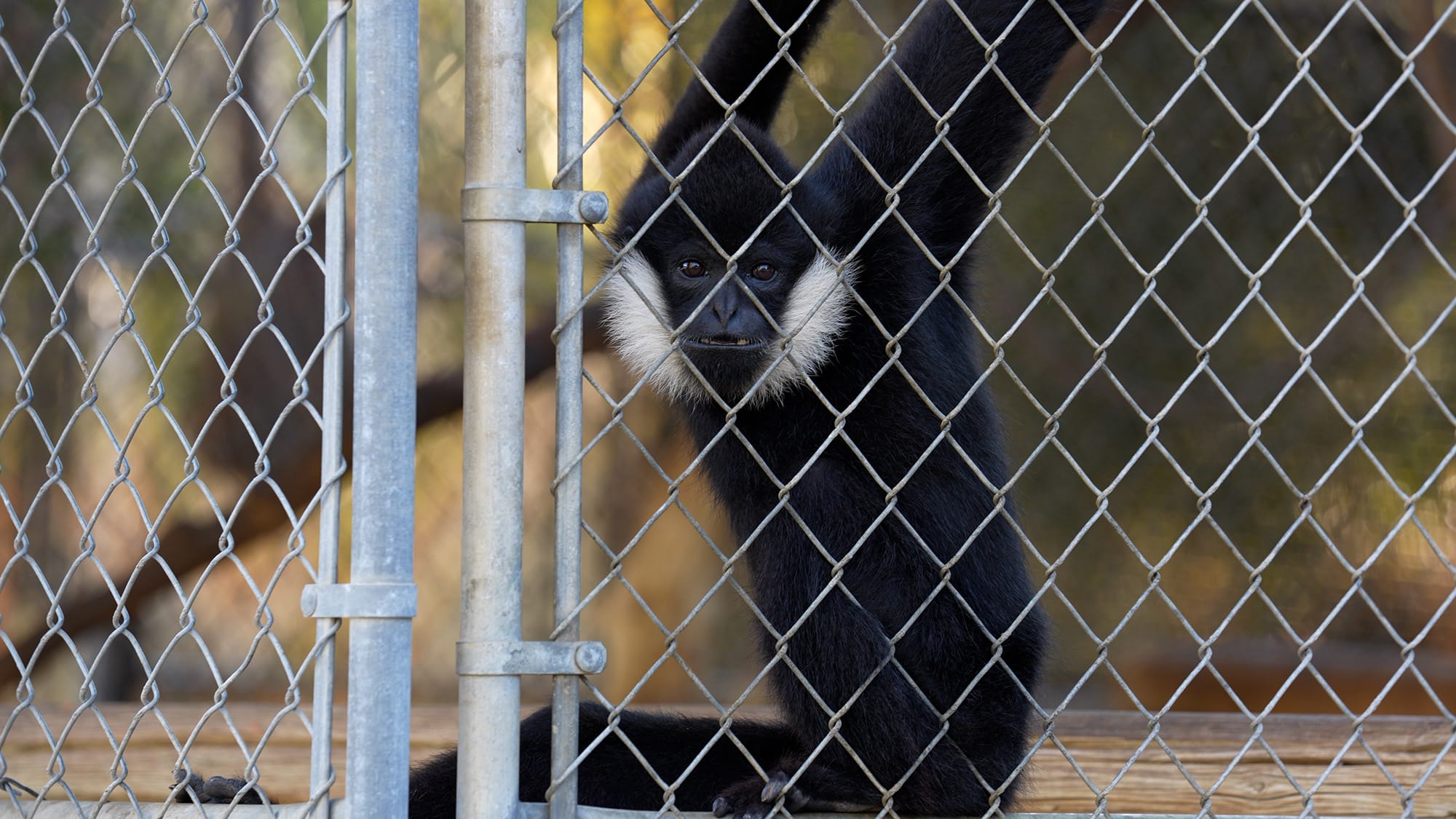
Hidden Near Los Angeles Is One of the World's Most Important Centers for Endangered Apes
The Gibbon Conservation Center in Santa Clarita is home to about 40 endangered apes and has become a globally important center for conservation, research, and education.
-
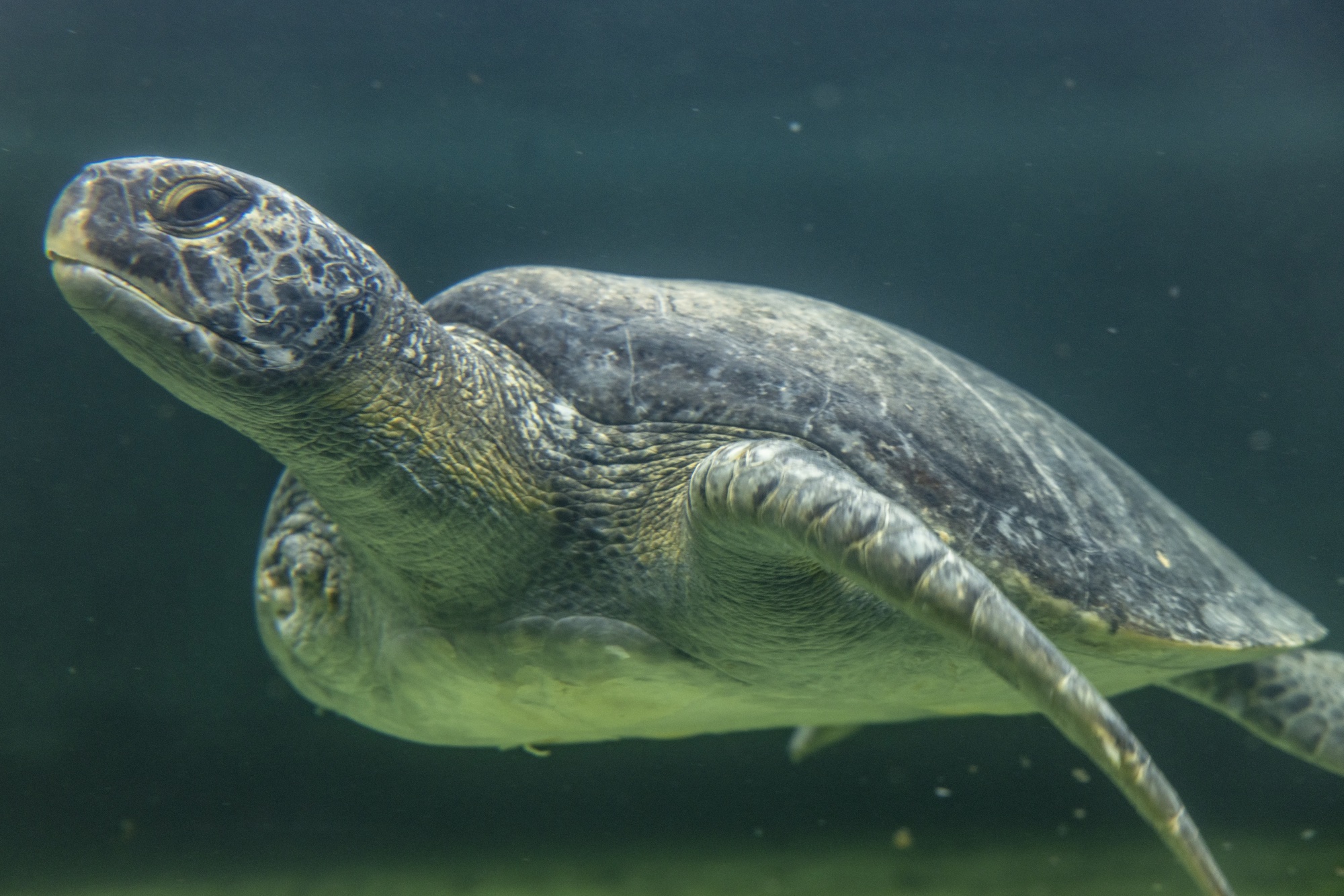
Sea Turtles Are Thriving in a Concrete River in Los Angeles
A threatened population of green sea turtles is thriving in the concrete channels of the San Gabriel River in Long Beach.
-
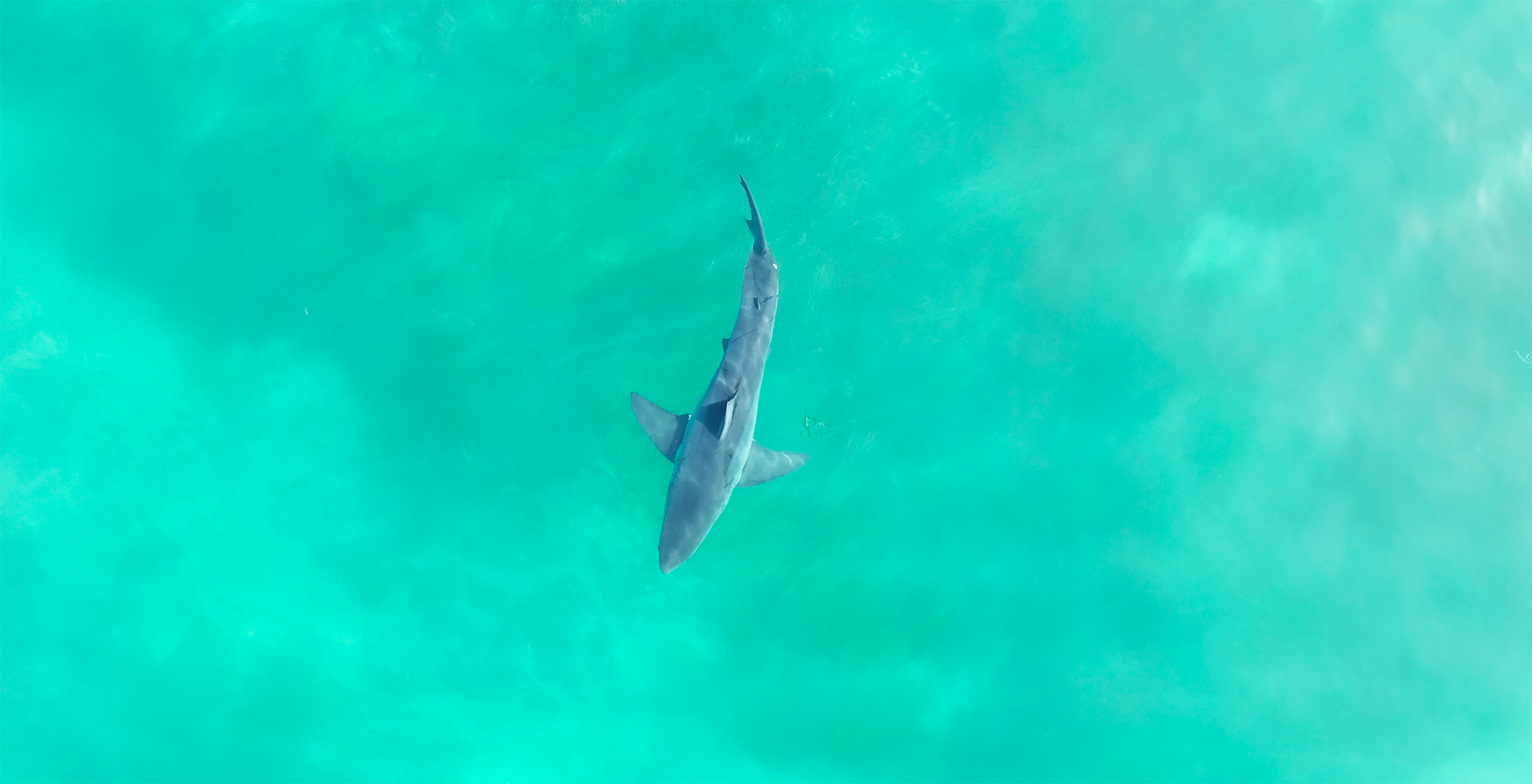
It’s Going to Be a Sharky Summer. Here’s Why That’s Okay.
Shark populations are rebounding along California’s coast, and the risks may be far lower than people think, says Chris Lowe, the director of the Shark Lab at Cal State Long Beach.
-
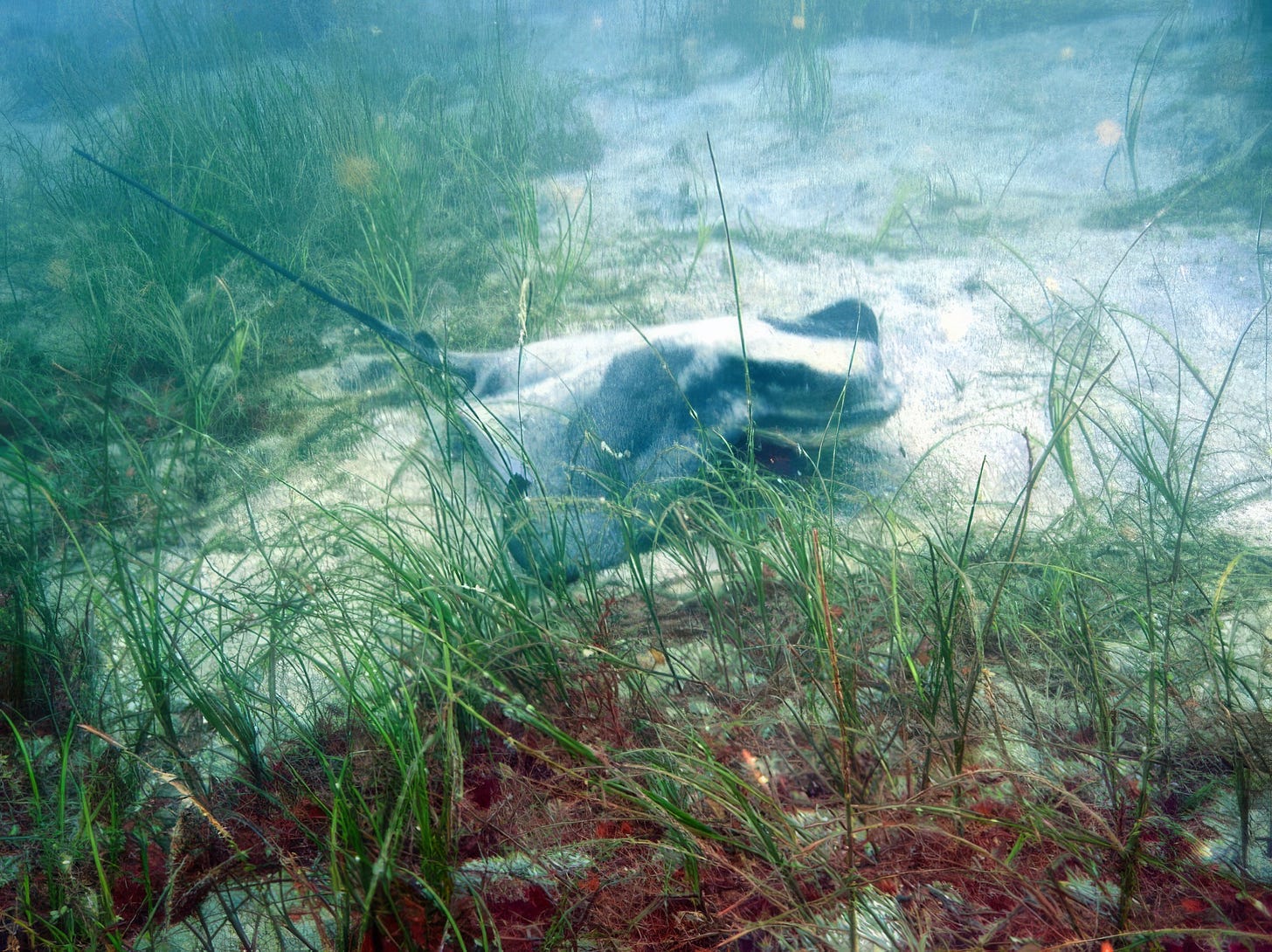
Why Southern California is the Stingray Capital of the World
According to research led by Dr. Chris Lowe at California State University, Long Beach Shark Lab, Southern California’s nearshore waters may host one of the densest concentrations of stingrays anywhere in the world.
-

The Man Who Saved the Owens Pupfish
Less than 2.5 inches in length, the Owens pupfish is a silvery-blue fish in the family Cyprinodontidae. Endemic to California’s Owens Valley, 200 miles north of Los Angeles, the fish has lived on the planet since the Pleistocene, becoming a new species when its habitat was divided by changing climatic conditions, 60,000 years ago.
-
Curiosity Is the Point
The more you look around in California, the more you realize there is almost always something fascinating to notice and something worth learning a little more about.
-
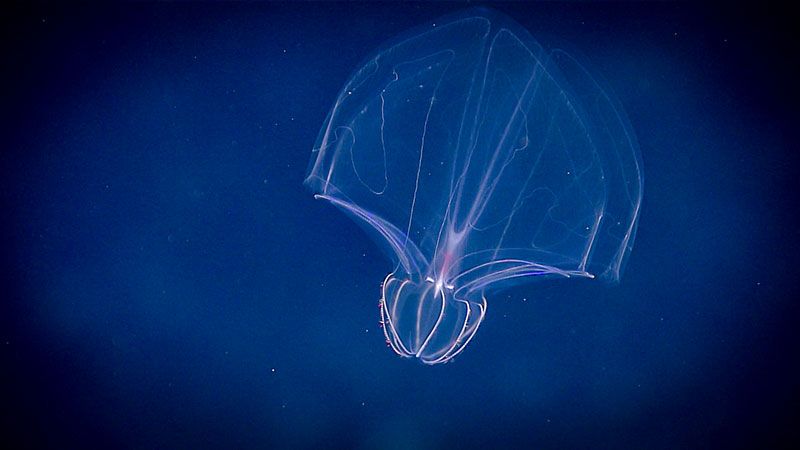
California’s Daily Tidal Wave of Life
Every day, trillions of marine animals migrate up and down through the ocean in the largest daily movement of biomass on Earth. California’s exceptionally productive waters, and research hubs like MBARI near Moss Landing, make the state one of the best places in the world to observe and study this vast, invisible pulse of life.
-

When Muybridge Made Motion Visible in Palo Alto
Eadweard Muybridge’s ‘Animal Locomotion’ was the first scientific study to use photography. Now, more than 130 years later, Muybridge’s work is seen as both an innovation in photography and the science of movement.
-
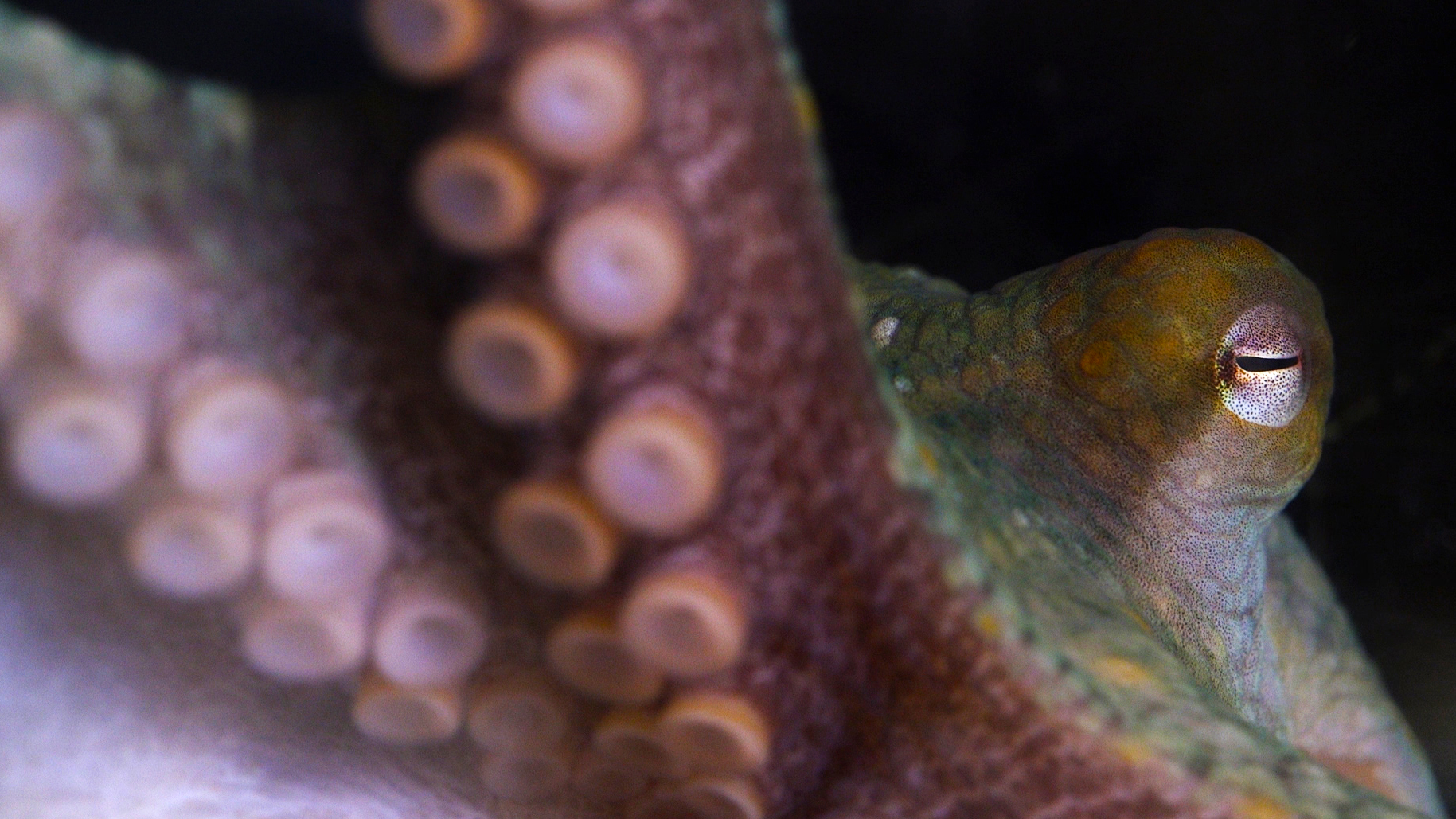
California’s Two-Spot Octopus is the Alien Mind Off Shore
I have a deep passion for octopuses. I have made several short documentaries about them and even traveled twice to Indonesia with one of…
-
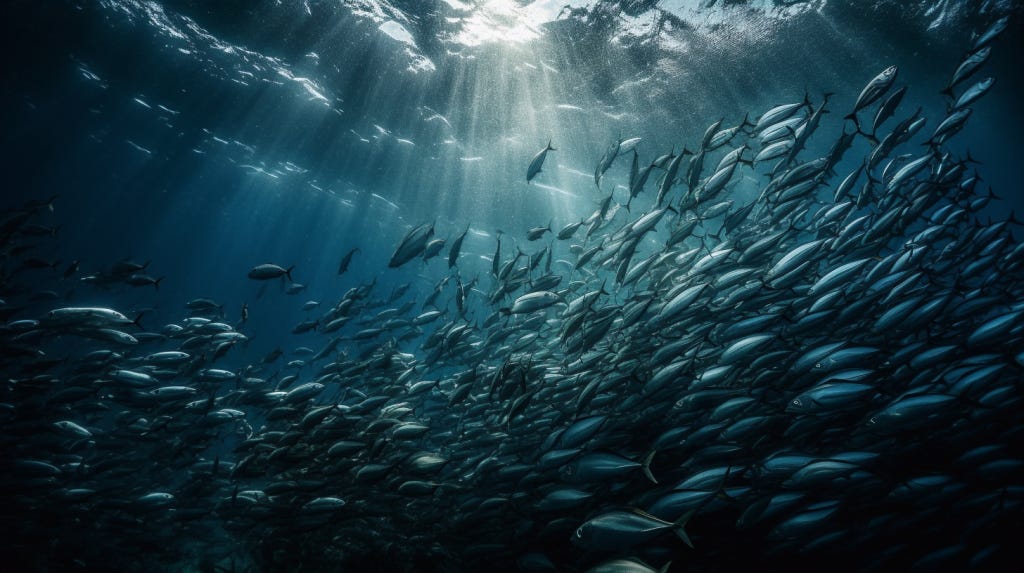
Upwelling, the Ocean’s Engine Beneath California’s Waters
Few marine processes are as impactful on the abundance of sea life off the coast of California as upwelling. It may not be a term you’ve heard before, but the natural oceanic process of upwelling is one of the most important engines driving climate, biological diversity, and the ocean’s food web.
-
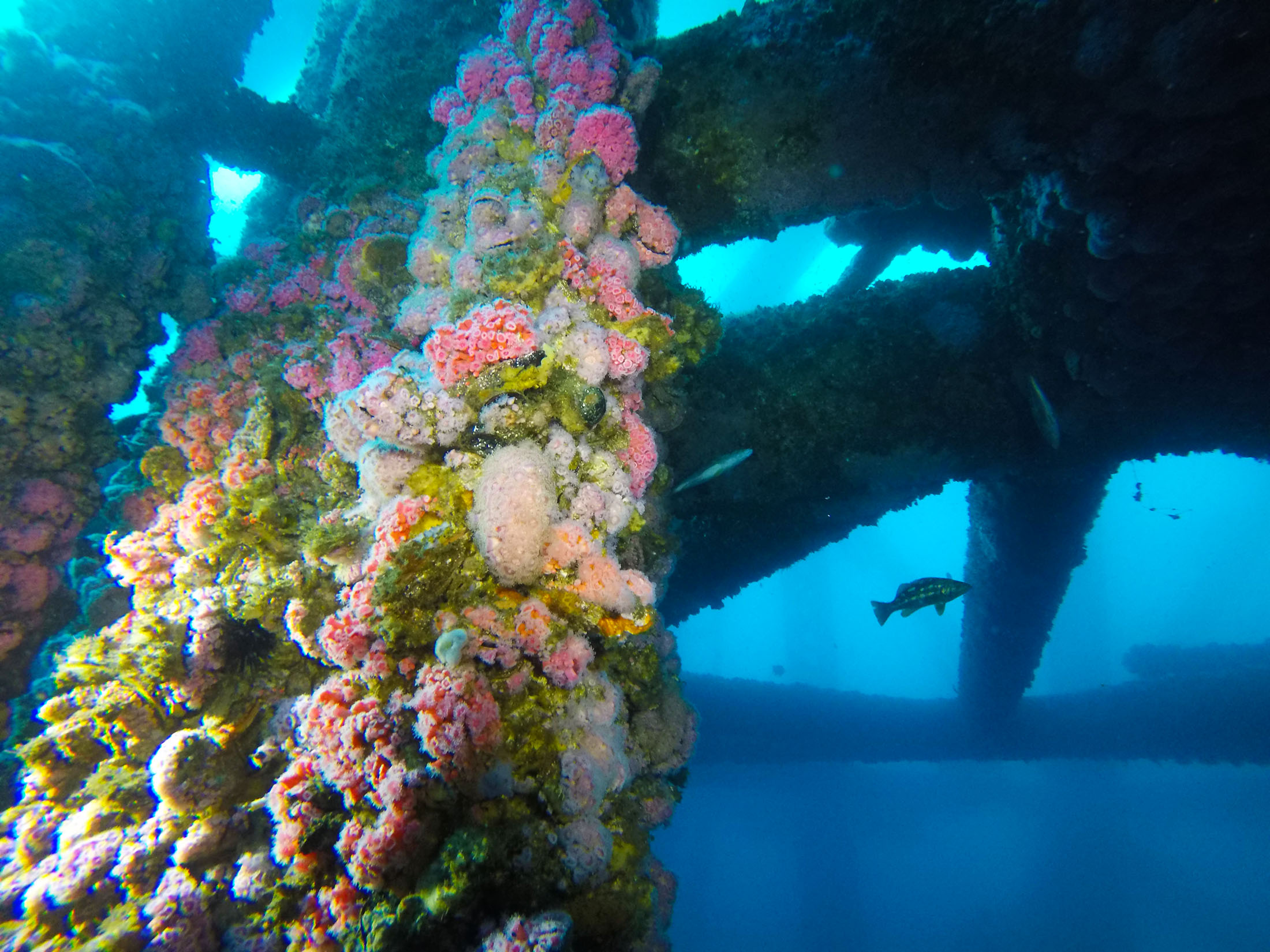
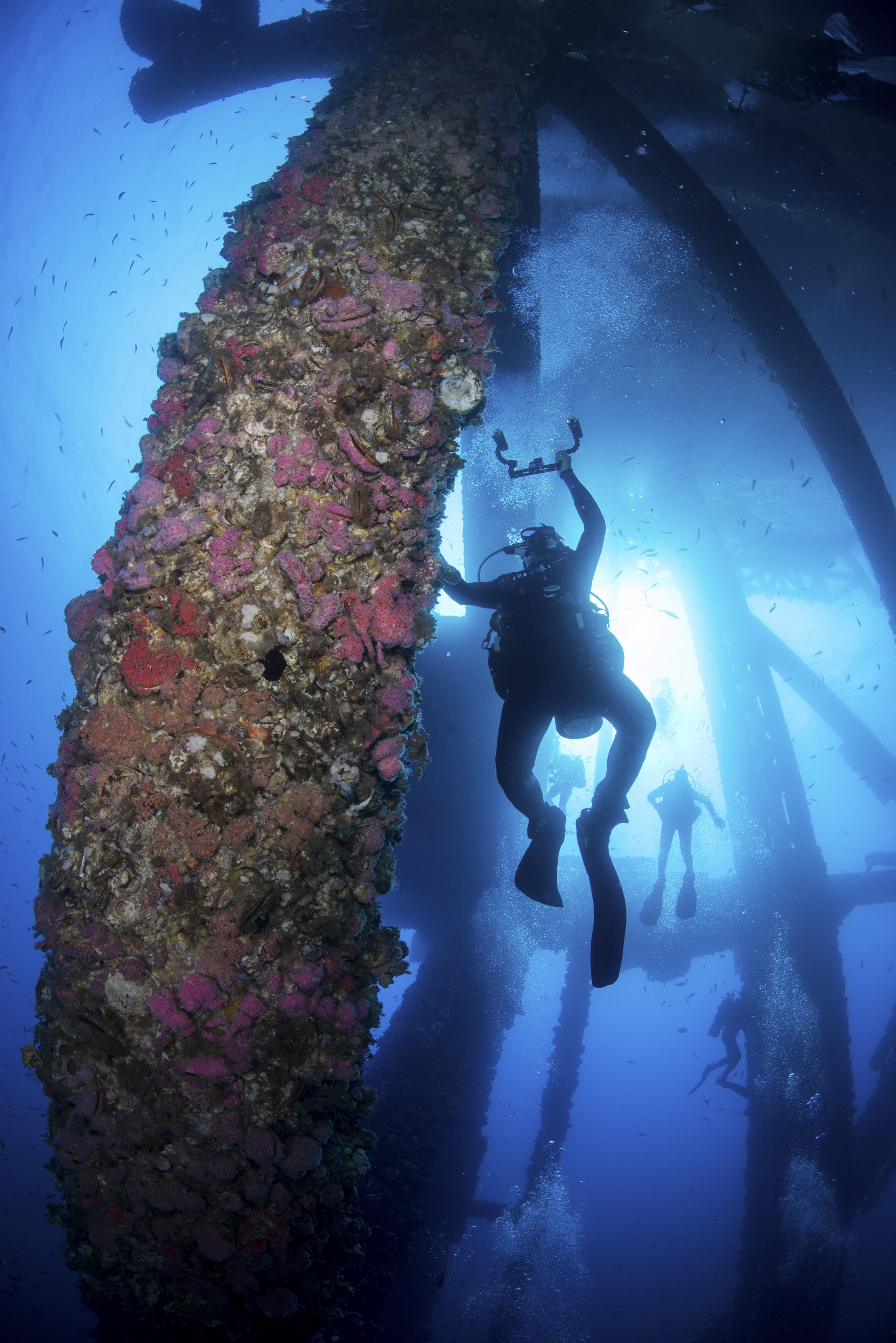
Transforming California’s Oil Platforms into Marine Sanctuaries
Beneath the surface of California’s offshore oil platforms lies one of the most productive ecosystems on Earth. As the state debates whether to remove or reef these massive structures, scientists, divers, and environmental advocates like Blue Latitudes’ Amber Sparks are fighting to keep the life they support alive.
-

Laurel Sumac, the Resilient Beauty of Southern California's Chaparral
Laurel sumac is one of Southern California's most resilient native shrubs — a chaparral cornerstone that shelters wildlife, survives fire, and thrives where other plants struggle.
-
San Clemente Island is Where War Games and Wildlife Coexist
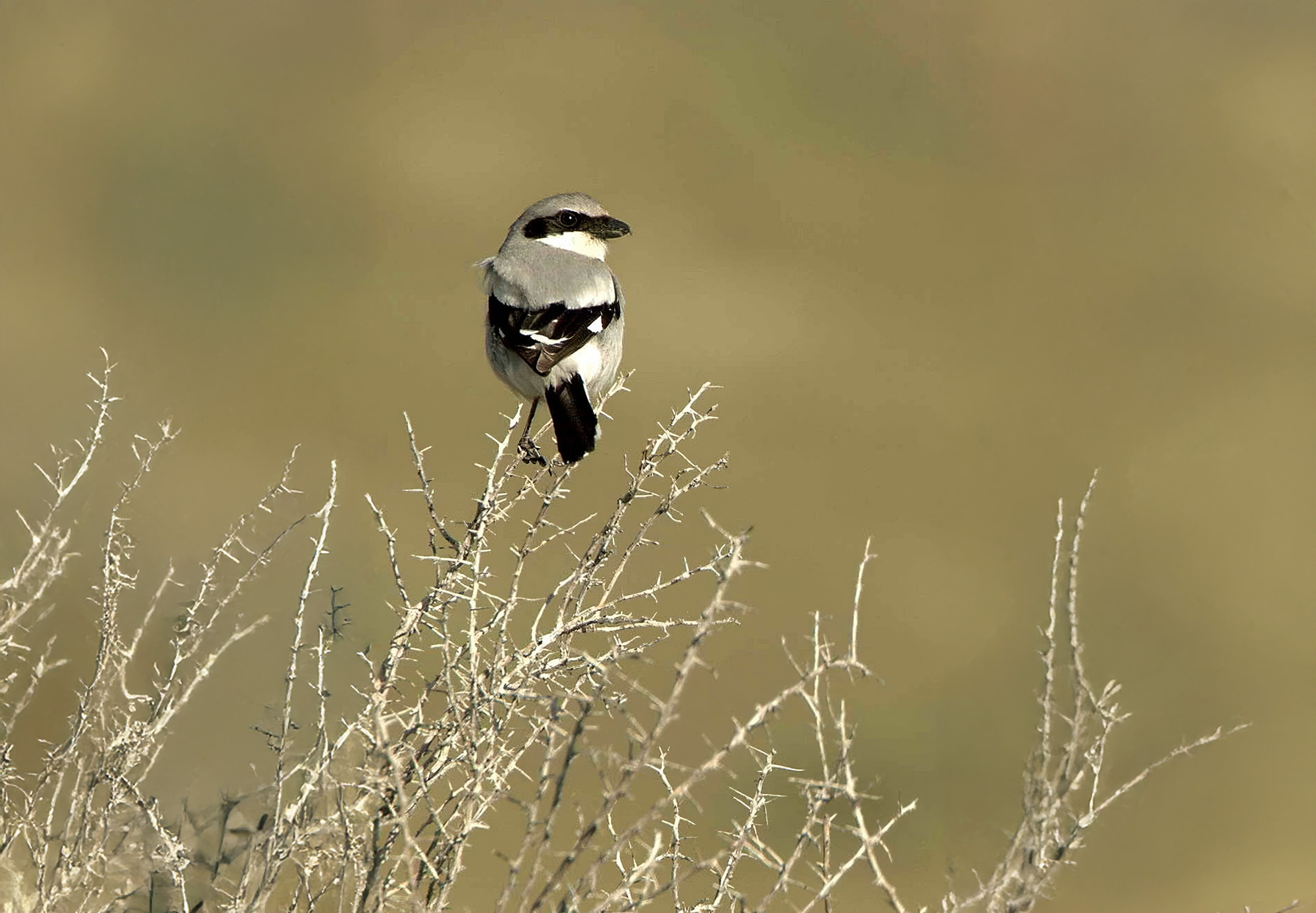
San Clemente Island is a remote, Navy-controlled island off Southern California where live-fire military training zones share rugged terrain with rare birds, endemic foxes, and ancient Tongva sites.
-

Ten Essential Books About California’s Nature, Science, and Sense of Place
I’m an avid reader, and over the past decade I’ve dedicated a large section of my bookshelf to books about California—its wild side, its nature, and its scientific wonders.
-

The Myth of the 100-foot Whale
So, according to the best records we have, the largest blue whale ever properly measured was 98 feet long. Granted, 98 feet is close to 100 feet, but it’s not 100 feet, and it’s certainly not over 100 feet, as so many otherwise reputable references state.
-

Corals Revealed as Never Before Through a Groundbreaking New Microscope in California
A groundbreaking underwater microscope developed at Scripps Institution of Oceanography is giving scientists their first up-close look at coral stress before bleaching begins.
-

A Tiny California Seaweed Could Make a Big Dent in Livestock Methane
Because methane is so potent, trapping more than 80 times as much heat as carbon dioxide over a 20-year period, the livestock industry’s footprint has become a central focus for climate scientists searching for solutions.
-

California’s Precarious Future and the Promise—and Limits—of Desalination
As drought becomes California's new normal, desalination offers a tantalizing solution — but the technology comes with serious costs and limits that could reshape the state's water future.
-

Bring Human Exploration Back to California’s Deep Ocean
California's deep ocean remains one of the least explored places on Earth. Here's why it's time to send humans back down into the sea. And what we stand to discover.
-

How California Has Revived Its Groundfish Fisheries
How Smart Policy and Collaboration Brought Groundfish Back From the Brink
-

The Salton Sea Was California’s Strangest Catastrophe
In California’s southeastern desert, the Salton Sea stretches across a wide, shimmering basin, a lake where there shouldn’t be one. At about 340…
-

California’s Wild Laboratory and The Evolutionary Wonders of the Channel Islands
The Channel Islands of California, an enchanting archipelago, offer a fascinating natural laboratory for the study of island biogeography. This field of biology, which explores the distribution of species and ecosystems in island environments, finds a perfect case study in these islands.
-

The Scourge of Ghost Lobster Traps and the Battle to Save Marine Life in California
Lobster is delicious. Let’s just get that out of the way. Yes, I’m sure there are some who either don’t…
-
The Fight for California’s Coastline and the Future of the Coastal Commission
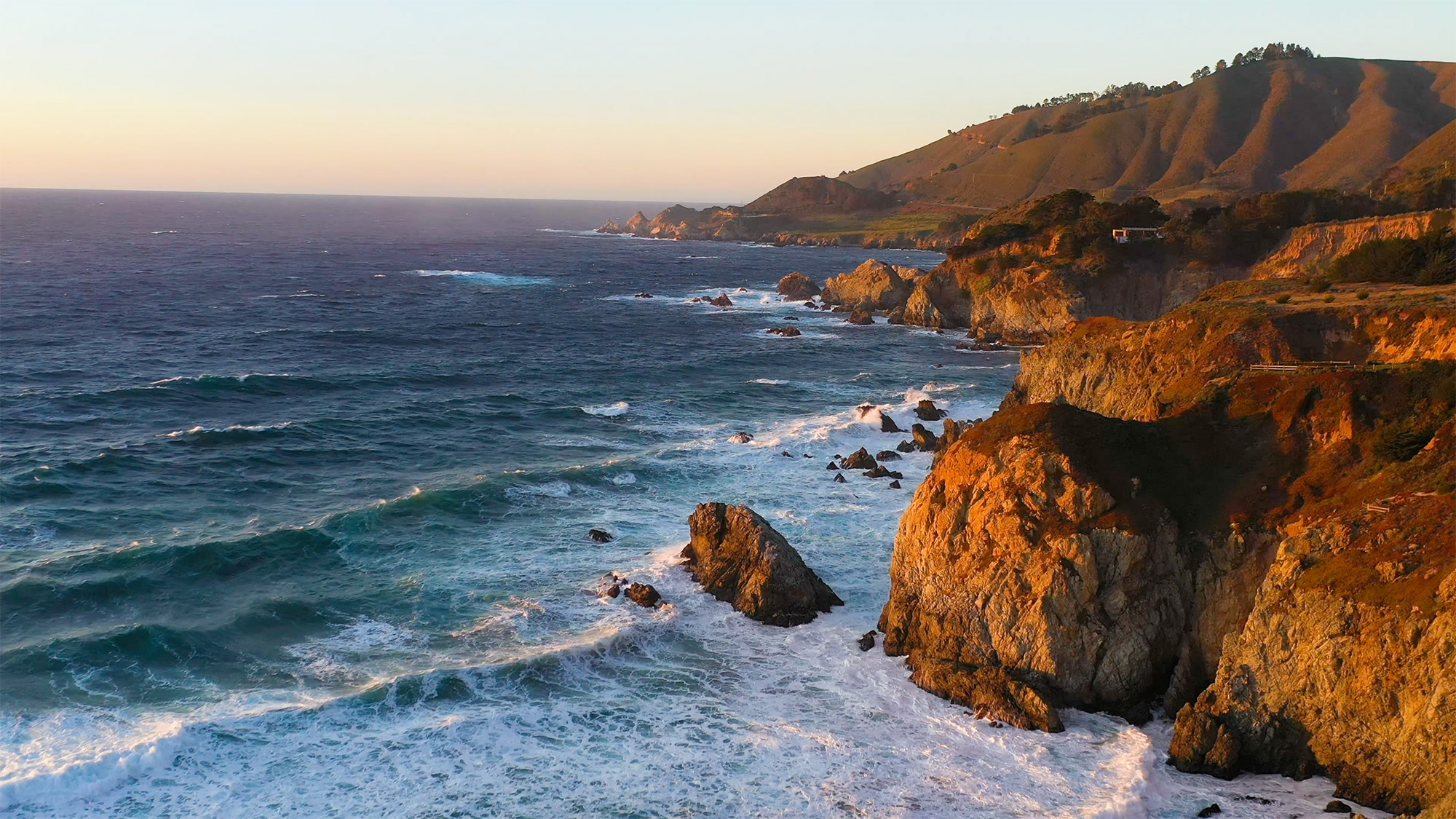
For over 50 years, the California Coastal Commission has protected public access and natural beauty, but growing challenges—wildfires, housing shortages, and political pressure—are testing its authority like never before.
-
Berkeley’s Cosmic Breakthrough and the Alvarez Discovery That Rewrote Earth’s History
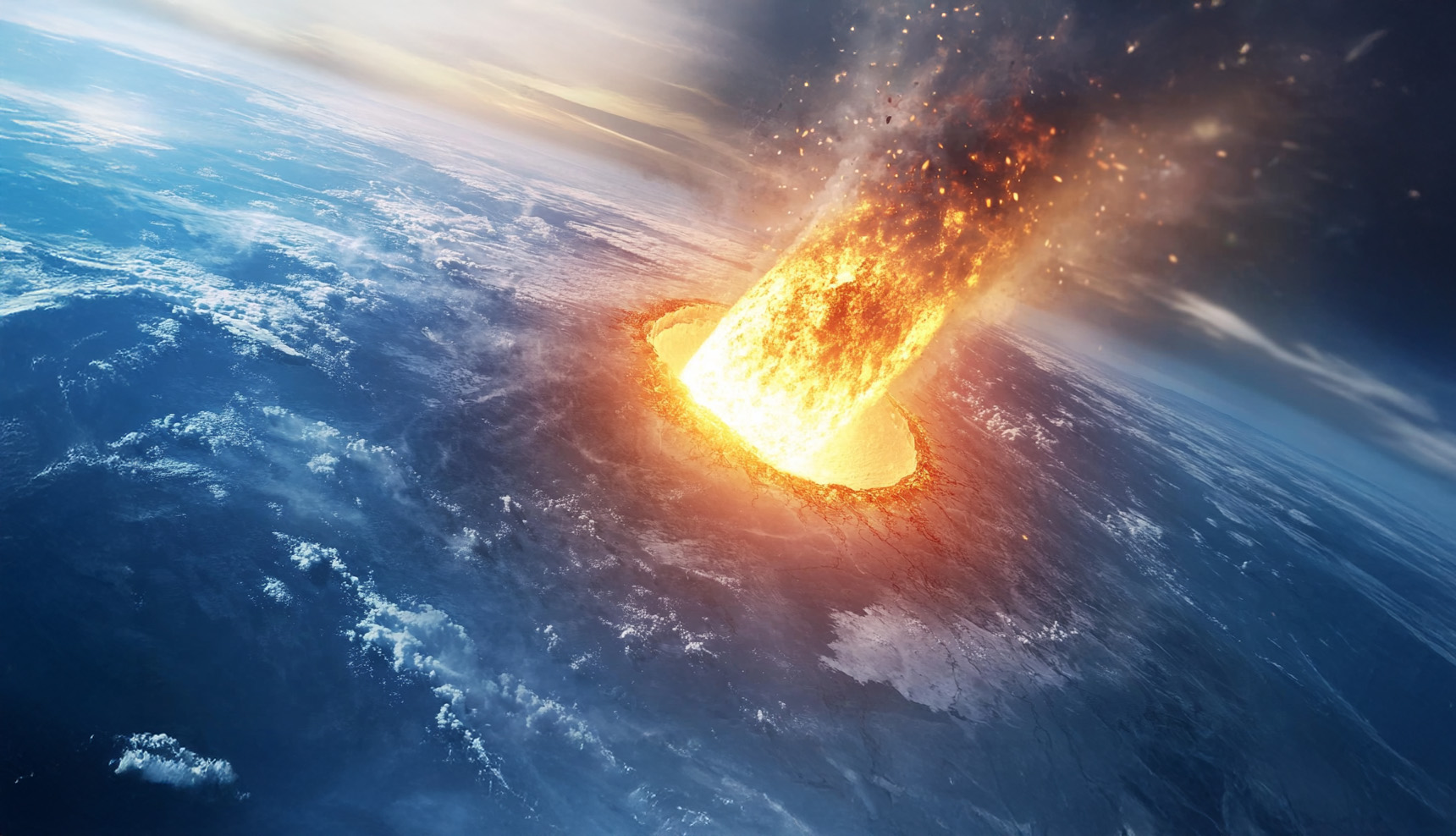
The Alvarez’ work led to one of the most significant scientific breakthroughs of the 20th century: the discovery that a massive meteorite impact was responsible for the extinction of the dinosaurs and much of life on Earth.
-
Camp Pendleton’s Wild Landscape as a Natural Refuge
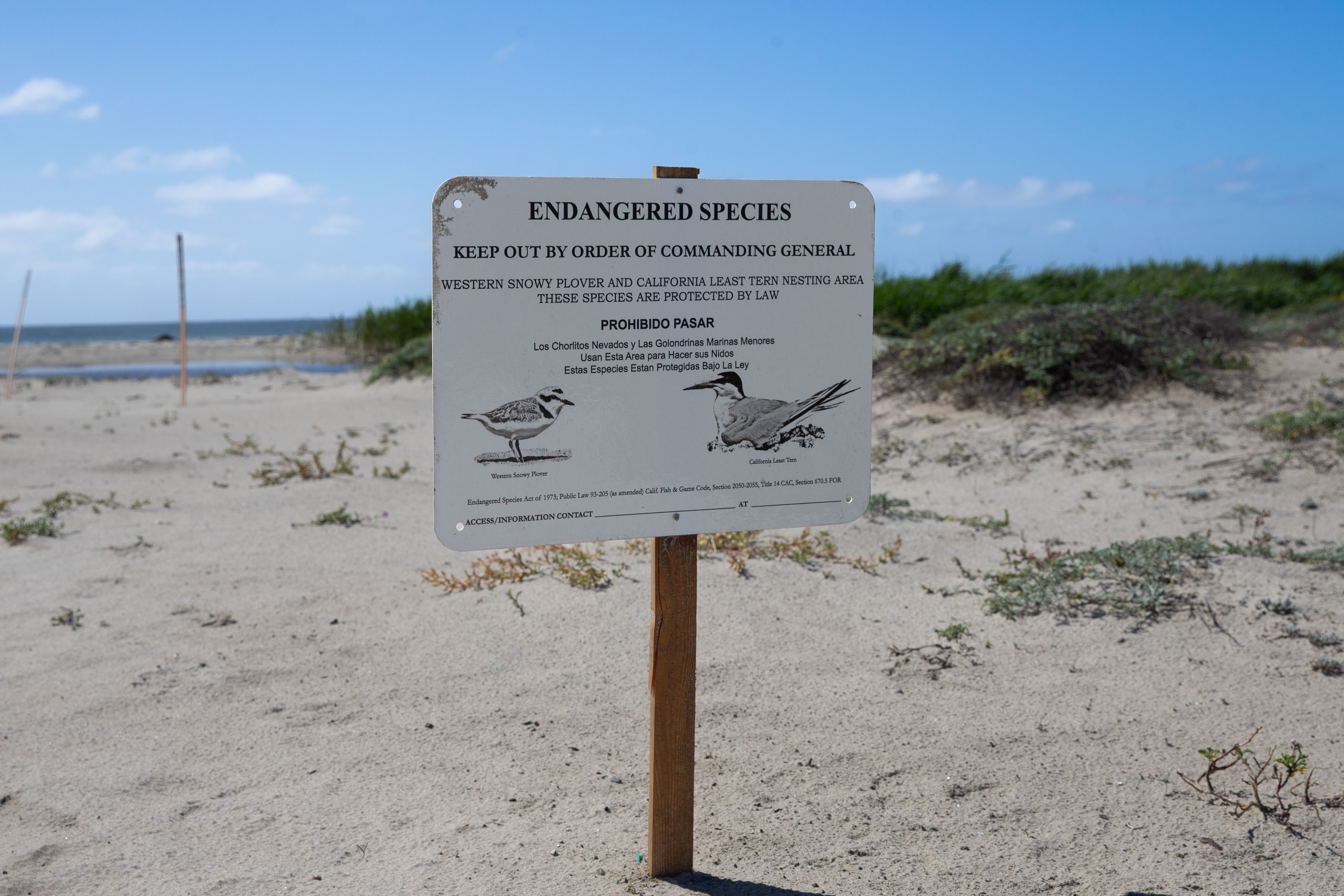
Covering approximately 200 square miles in north San Diego County, the base has served as a critical training ground for the U.S. Marine Corps since 1942. However, its restricted access and limited development have inadvertently preserved some of Southern California’s last remaining wild coastal terrain.
-
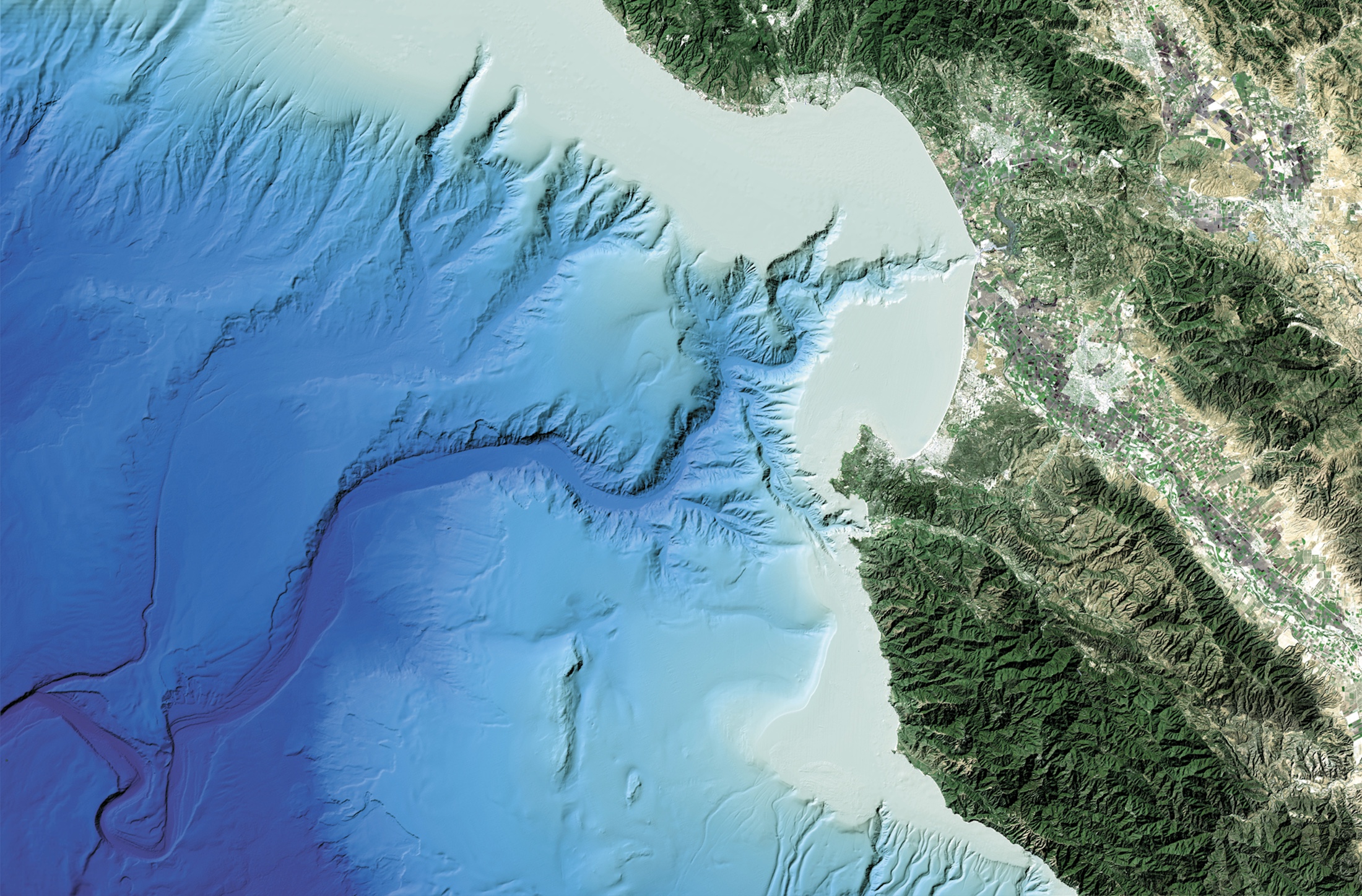
A Deep Dive into Monterey Canyon, California’s Great Abyss
Monterey Canyon, often called the Grand Canyon of the Pacific, is one of the largest and most fascinating submarine canyons in the world. Stretching over 95 miles from the coast of Monterey, California, and plunging to depths exceeding 3,600 meters (11,800 feet), this underwater marvel rivals its terrestrial counterpart in size and grandeur.
-

California’s Two-Spot Octopus Combines Extraordinary Intelligence with Masterful Camouflage
The California two-spot octopus, Octopus bimaculoides, is a marine creature that not only captivates with its intelligence but also serves as a window into the complex tapestry of cephalopod behavior and genomics.
-

The Remarkable Revival of the Giant Sea Bass in California: Catalina Island’s Growing Giants
The Giant Sea Bass, also known as Stereolepis gigas, has long been a majestic part of California’s coastal ecosystems. This behemoth of a fish can grow up to nearly 7 and a half feet long, weighing a whopping 560 pounds, and can live to the age of 75.
-
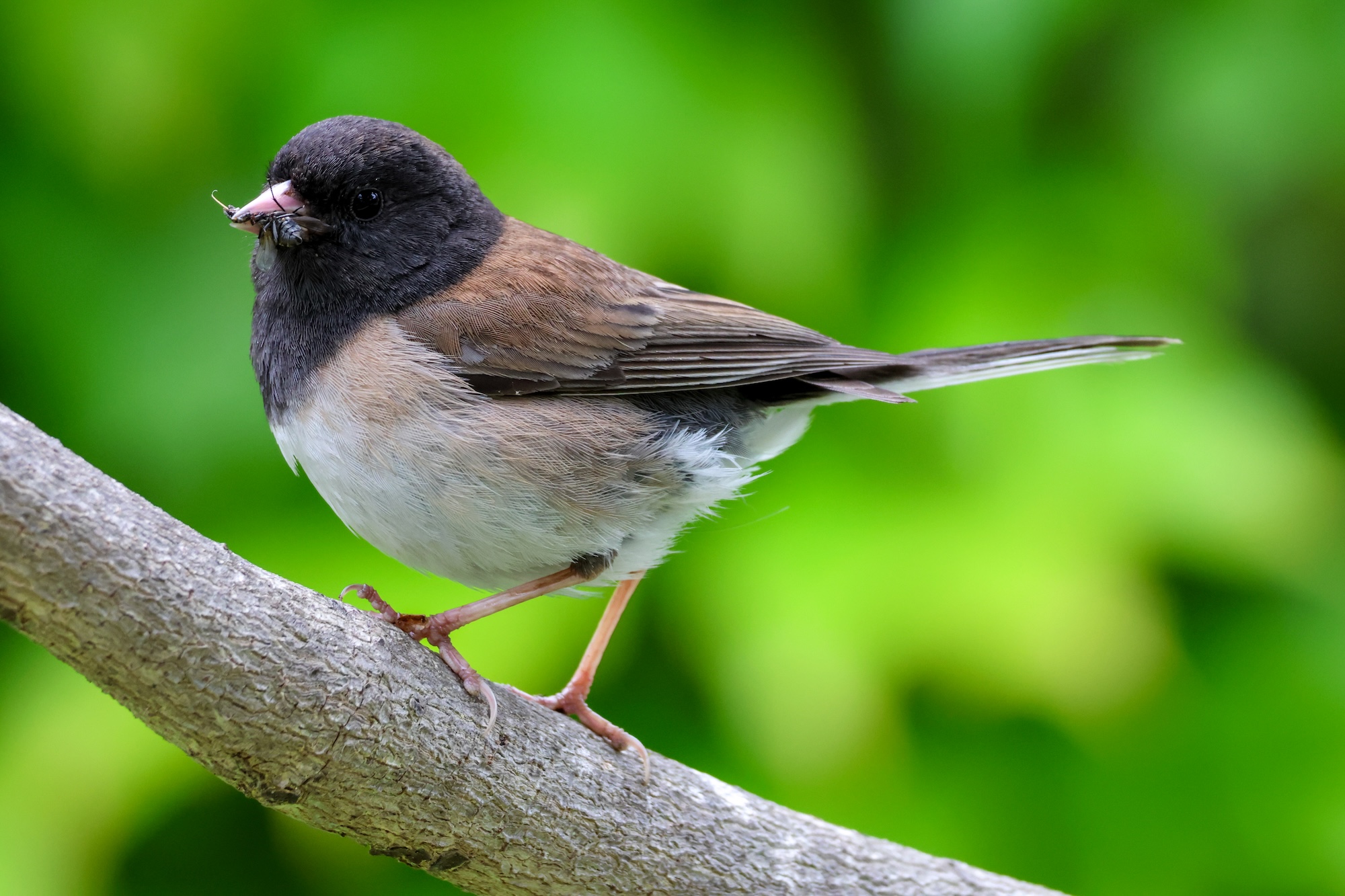
California’s Dark-Eyed Juncos Are Quietly Evolving in Plain Sight
One of the most compelling examples of urban ecology at work is the story of the dark-eyed junco (Junco hyemalis), a small songbird traditionally found in mountainous forests, now thriving in urban environments like San Diego and Los Angeles.
-

All the Fish We Did Not See - The Discovery of the Ocean’s False Bottom off California
This phenomenon, later termed the Deep Scattering Layer (DSL), created a “false bottom” in sonar readings, revealing an unexpectedly dense concentration of biological life in a mid-ocean zone once thought to be relatively sparse. The discovery of the DSL challenged assumptions about life distribution in the ocean, showing that vast numbers of organisms—such as fish, squid, and zooplankton—populate these depths, rising and descending with daily cycles to avoid predators and optimize feeding.
-

A Massive Aircraft Carrier called the USS Independence Rests in Deep Waters off the Coast of California
The waters off California’s coast are scattered with relics of wartime history, each telling its own story of conflict and survival. Among these wrecks is the USS Independence, a WWII aircraft carrier whose journey took it from the heights of naval warfare to the depths of nuclear experimentation.
-

The Ivanpah Solar Project is an Engineering Solar Power Giant in the Mojave Desert
Update (February 2025): The Ivanpah Solar Electric Generating System, once a…
-

Western Fence Lizard: California’s Blue Belly Is Evolving in Cities
Meet California’s western fence lizard, the blue-bellied reptile found on fences, rocks, and trails across the state. Here’s the science behind this ubiquitous backyard lizard.
-

The Magic, Wonder, and Science of Ocean Bioluminescence in Southern California
The phenomenon that causes the blue glow has been known for centuries, but that in no way detracts from its wonder and beauty. The phenomenon is called bioluminescence, and it is one of nature’s most magical and interesting phenomena.
-

The Lost Island of Santarosae off California’s Coast
During the last Ice Age, approximately 20,000 to 25,000 years ago, when sea levels were significantly lower, Santarosae Island was a single, expansive landmass that now comprises most of California’s Channel Islands.
-

California’s Elephant Seals are the Giants of the Golden Coast
Elephant seal in California. Once teetering on the brink of extinction, the California elephant seal has made an…
-

New Research Sheds Light on the Saber-Toothed Cats of California, Fierce Predators of the Pleistocene
Among the region’s Pleistocene Epoch megafauna, the Saber-toothed cats are some of the most iconic prehistoric predators to have roamed California.
-

Squid Pro Quo: How the California Market Squid Gives Back to Nature and Economy
The California market squid, scientifically known as Doryteuthis opalescens, is an integral component of the marine ecosystem and significantly contributes to California’s economy.
-

Why bringing back California’s kelp is so important
Sea urchins have devastated kelp forests in California. Support California Curated by buying us a coffee? Two centuries ago, the waters off the California coast were home to a vibrant ecosystem of…
-

The California Sea Lion’s Story of Survival and Conservation
California sea lions are part of the family Otariidae, which includes all eared seals. These agile marine mammals are well adapted for life in the ocean, with streamlined bodies, strong flippers, and a layer of blubber to help regulate body temperature.
-

Caltech Fly Labs and a Century of Genetic Discovery
And much of the work to understand the fruit fly has taken place and is taking place now, right here in California at the Cal Tech fly labs.
-

The California Coastline is a Massive Whale Graveyard
Recently, scientists have discovered an extraordinary number of these whale falls off the coast of Los Angeles, with over 60 skeletons found, a number that surpasses the total found worldwide since 1977.
-

JPL and the Voyager Golden Record: Humanity’s A Cosmic Mixtape in Space
The Jet Propulsion Laboratory in La Canada Flintridge, California is well-known for sending spacecraft far into the cosmos to help us better understand the universe. But the agency was also extensively involved in one of the most ambitious and symbolic projects in the history of space exploration: the Voyager Golden Record.
-

Feathers on the Flyway: Unraveling Avian Mysteries at Bear Divide with the Moore Lab
Bear Divide is strategically positioned along the Pacific Flyway, a significant north-south migratory route used by birds traveling between Alaska and Patagonia. The geographical features of the San Gabriels provide an ideal resting and feeding ground for these birds, making Bear Divide a crucial stopover during their long journeys.
-

The Blythe Intaglios are the California’s Nazca Lines. They are True Mysteries Etched in Earth.
The Blythe Intaglios—have long puzzled anthropologists and captivated the imagination of those who visit them or view them from the sky.
-

The Enigmatic Island Fox: A Tale of Survival and Conservation
The Island Fox’s journey from the brink of extinction to a conservation success story is a testament to the power of dedicated conservation efforts. It also highlights the importance of maintaining ecological balance in sensitive environments like the Channel Islands.
-

The Mystical Sentinels of the Mojave: Unraveling the Secrets of the Joshua Tree
Standing tall against the backdrop of the sun-scorched Mojave Desert, the Joshua Tree (Yucca brevifolia) is an emblematic figure of resilience and beauty. With its twisted, bristled limbs reaching towards the sky, this iconic species is not just a tree but a symbol of the untamed wilderness that is California’s desert landscape.
-

The California Gull is the Unsung Hero of Feathered Adaptability and Ecological Balance
Imagine a bird that’s not only a reliable fixture on both coastal and inland landscapes, but also a winged hero with a knack for saving ecosystems…
-

Through the Looking Glass Head: The Enigmatic World of the Barreleye Fish
The Barreleye fish is the kind of creature that captures the imagination and evokes wonder about what remains undiscovered in the deep ocean.
-

Navigating the Unseen Current: How the California Current System Shapes Our Ocean, Climate, and Future
The California Current, originating from the colder regions up near British Columbia, sweeps its way down toward Baja California, extending laterally several hundred miles offshore into deep oceanic waters off the continental shelf.
-

Davidson Seamount and the Unseen Mountains and Hidden Treasures Off California’s Coast
Perhaps the most astonishing discovery at Davidson Seamount occurred in 2018, when scientists discovered the “Octopus Garden,” the largest known aggregation of octopuses in the world. The garden is about two miles deep and was discovered by researchers on the research vessel (RV) Nautilus.
-

The San Gabriel Mountains Are Still Growing. Here's Their Story
The mountains hovering above Los Angeles are geologically young, tectonically restless, and still getting taller.
-

The Garibaldi’s Dance of Color and Character in California’s Coastal Ballet
California Garibaldi Underwater photos of California’s coast featured in books and magazines almost always showcase a certain fish: the garibaldi. Within the underwater kaleidoscope of California’s…
-
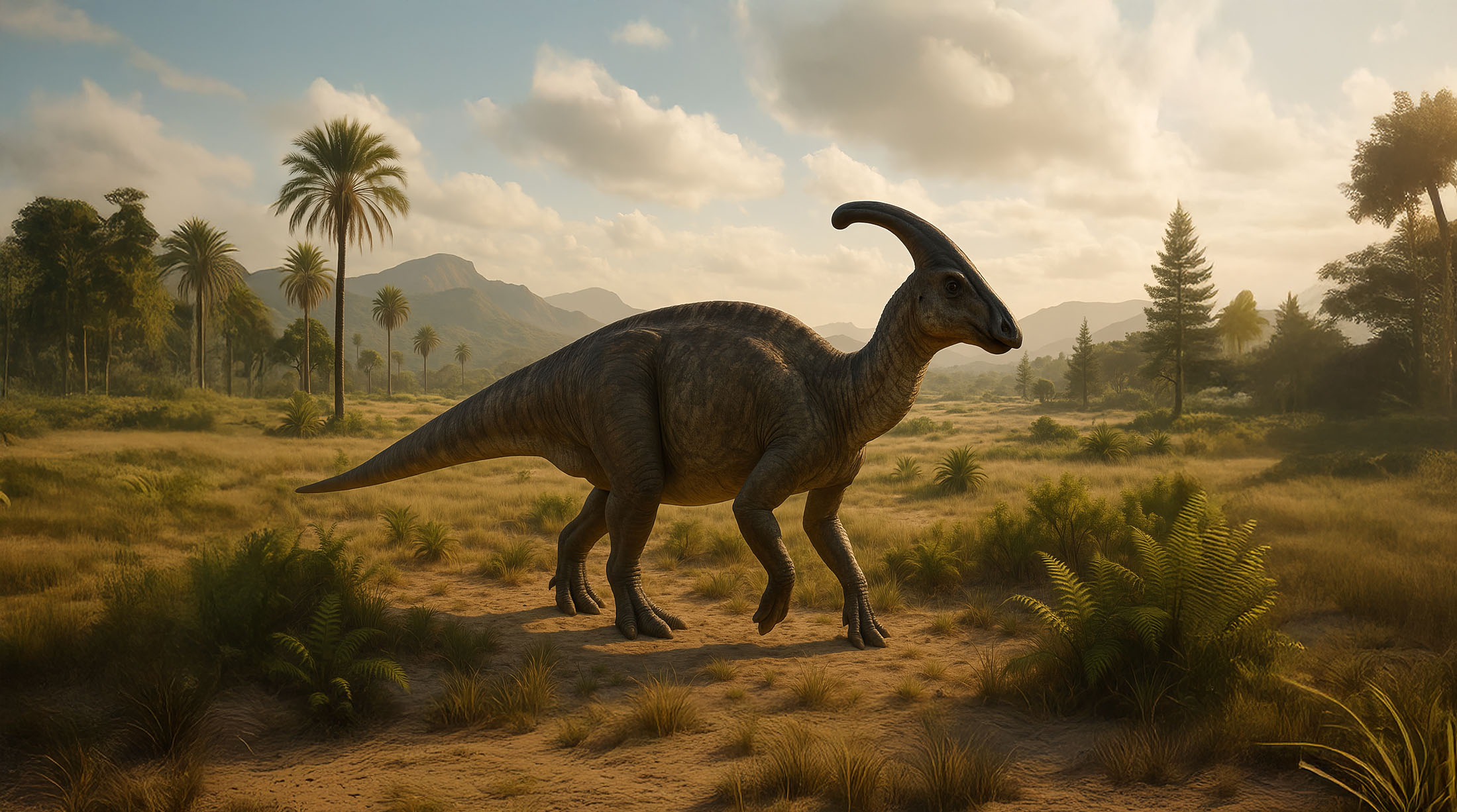
Why Are Dinosaur Fossils So Scarce in California?
Hadrosaur on ancient California landscape. Hadrosaurs like this AI generated one are among the very few dinosaurs whose fossils have ever been found in California. Support California Curated with a…
-

Genetic Guardians: The Asilomar Conference and its DNA Diplomacy
The Asilomar Conference reached a consensus that with proper containment measures, most rDNA experiments could be conducted safely. This resulted in a set of guidelines that differentiated experiments based on their potential biohazards and suggested appropriate containment measures.
-

The Desert Tortoise: A Resilient Survivor of the Mojave
a close-up of a desert tortoise The Mojave Desert, a harsh yet strikingly beautiful landscape that extends across four western U.S. states, is home to an equally fascinating and resilient creature:…
-

California’s Common, but Lovely, Birds: the House Finch
One of the most common birds in California, probably familiar to anyone whether a backyard enthusiast or committed ornithologist is the house finch. The house finch (Haemorhous mexicanus) is a small passerine (perching) bird that is native to western North America, including California. This bird is widely known for its vibrant red plumage and melodic song, making it a beloved sight and sound in backyards across the state.
-

Ten Little-Known Facts About California
Giant Sequoia California is known for its sunny beaches, bustling cities, and iconic landmarks such as the Golden Gate Bridge and Hollywood sign. However, the state is also home to a wealth of…
-

California is a dolphin paradise
More than a dozen dolphin species swim California's waters, making the state one of the best places on Earth to spot wild dolphins. Here's what draws them to our coast.
-

White shark sightings are up in California, but don’t panic
White shark sightings are increasing along California's coast — but scientists say the risk is far lower than headlines suggest. Here's what the data actually shows.
-

Saving the California Condor
The birth of the 1000th condor chick as part of an extensive breeding and reintroduction program gives hope to many other species in peril.